.png)
Unleashing Creativity: Innovative Hands-On Projects for Every Homeschool Subject

Updated: Dec 26, 2025
Homeschooling opens the door to an exciting world where learning can be hands-on and interactive. With the right projects, you can turn everyday subjects into captivating adventures that spark curiosity. This post dives into creative hands-on projects for various subjects, transforming homeschooling into a fun and enriching experience for both parents and children.
Science: Create a Mini Volcano
Nothing grabs a child's interest like the thrill of a science experiment. Building a mini volcano is a classic project that teaches children about chemical reactions while allowing them to express their creativity. Additional benefits include learning volcanic form and function, cause and effect, direction-following skills, measurements, and a sensory experience!
Once you've created your mini-volcano and discussed it, enhance learning with a trip to the library. Check out both fiction and non-fiction books on the topic. For videos, PBS has Science Trek-Volcanoes and Vibrant Volcanoes. Older students may do further research on volcanos including locations, gas composition, eruption prediction, monitoring, geology, social and economic impact, and hazards.
To create your mini volcano, you will need:
Baking soda
Vinegar
Food coloring (optional)
A small container (like a plastic bottle)
Clay or Play-Doh for the volcano structure
Instructions:
Shape the clay or Play-Doh around the bottle to create your volcano.
Fill the bottle with 2 tablespoons of baking soda and a few drops of food coloring.
Pour in 1/2 cup of vinegar to trigger a colorful eruption.
Discuss the science behind the reaction, covering concepts such as acidity, basicity, and the eruption's real-world implications.
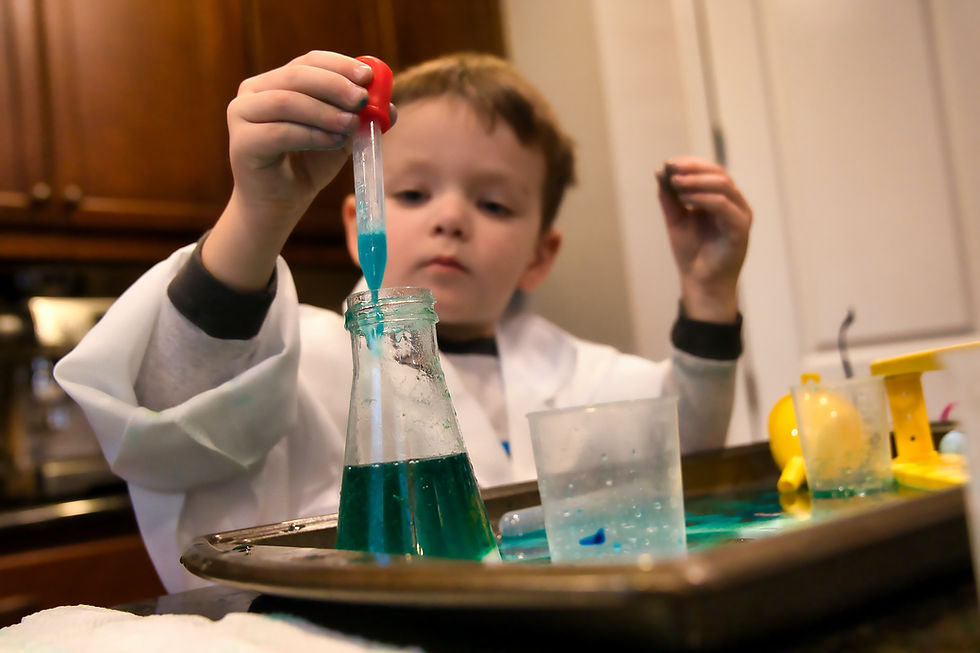
This project not only captivates children but also serves as an excellent entry point for deeper discussions about environmental science, geology, and the scientific method, reinforcing concepts that 85% of children find more engaging than textbook learning alone.
History: Time Capsule Creation
History can seem distant and abstract, but creating a time capsule allows children to connect with historical events in a personal way. This active engagement encourages critical thinking about what defines a specific era. Focus on one time period or era and discuss events, characteristics, individuals, customs, clothing, art, music, food, and more. Use books, encyclopedias, historic newspapers, YouTube videos, or whatever resources you enjoy most!
Materials needed:
A sturdy container, such as a shoebox
Art supplies (markers, colored papers)
Items that represent current culture (newspapers, small toys, drawings)
Instructions:
Let your child choose a historical era or significant event that interests them, such as the Renaissance Era, Bronze Age, or World War II.
Research this period together, discussing its impact on people and society.
Collect at least 5-10 items that represent contemporary culture and include them in the time capsule.
Seal the container and set a date, perhaps 10 years in the future, for opening.

This hands-on project promotes discussions about the significance of history and helps children understand how culture evolves. It also allows them to observe similarities and differences and determine where they fit in on the timeline.
Art: Nature Collage
Art provides a fantastic outlet for expression, and a nature collage combines creativity with exploration. This project not only enhances artistic skills but also encourages kids to appreciate nature. Research shows that creativity and imagination decrease with each grade. Counteract this with continual opportunities for expression.
Supplies needed:
Collected natural items (leaves, pines, small rocks, flowers, twigs)
Adhesive glue
Cardboard or thick paper
Instructions:
Go on a nature walk together and collect at least 10 different items. You may choose to focus on a specific ecosystem (forest, shore, swamp, grasslands, rainforest, wetlands, desert, backyard).
Once home, arrange the items on the cardboard, creating a unique collage.
Discuss the various textures, colors, and shapes you observed during your walk, encouraging your child to articulate their thoughts. Older students may discuss function, food chain, interactions, living and non-living components, and compare/contrast different ecosystems.

This hands-on project merges art with science, fostering an appreciation for the environment while allowing children to express their creativity. The classroom has no walls.
Mathematics: Build a Geometry Garden
Math can often seem disconnected from our daily lives. However, a geometry garden provides a fun and tangible way to apply mathematical concepts while nurturing creativity. Since math is actually very relevant to everyday living, this project is a good way to begin understanding its relevance.
Materials needed:
An area in your yard or pots for planting
Various seeds (such as radishes, carrots, or flowers)
Measuring tape or ruler
Instructions:
Familiarize your child with basic geometric shapes and measurements.
Design a garden using these shapes (squares, triangles, circles). For example, create a 3-foot square vegetable patch or arrange flowers in a circular pattern with a 3-foot diameter.
Use the measuring tape to lay out and mark your garden design and draw the plan on paper for reference.
Discuss concepts of area and perimeter as you plant, enhancing their understanding of how math applies to the real world.

This hands-on project not only illustrates math principles but also provides an opportunity to learn about plant growth and responsibility.
Language Arts: Story Stones
Language arts often involve extensive writing and reading, but the story stones project offers a creative twist that enhances these skills. This engaging activity turns storytelling into a visual experience.
Materials needed:
Smooth stones
Paint or permanent markers
A flat surface to work on
Instructions:
Choose 6-10 stones and paint different images or symbols on them (like animals, weather, or people).
Once the stones are dry, let your child arrange them to create a story.
Ask them to share their story aloud, focusing on elements like character development, plot structure, and setting.

This unique project enhances sequencing, vocabulary, and imagination through visual storytelling. This fun project can be used over and over again!
Creative Learning Adventures Await
Hands-on projects are invaluable tools for developing a LOVE of learning! They make learning engaging and enjoyable for your child. Whether it’s creating a mini volcano, building a time capsule to connect with history, or designing a geometry garden, these projects encourage exploration, inquiry, and joy in learning.
By integrating innovative, hands-on activities into your curriculum, you not only meet educational requirements but also ignite your child's passion for knowledge. They will want more! Embrace the creativity that homeschooling offers and embark on these exciting projects. Which one will you try first? Share your wins in the comments below!
📌 Save this post and revisit it as often as needed.
📌 Don't forget to subscribe to stay in the loop and receive all new posts.
When you support my shop or other products I recommend, it allows me to offer more of what you love. I also have free resources on my site to contribute back to the homeschooling community.
Seek first the Kingdom of God and His righteousness,
and all these things will be added to you.
Matthew 6:33
Sadi Rey
Comments